Feline Sleep Sanctuary: How to Optimize Comfort and Sleep for Your Indoor Cat
Cats spend 12 to 16 hours a day sleeping. Creating a comfortable and secure sleep environment is a cornerstone of holistic feline wellness. Learn how to build the perfect sleep sanctuary for your indoor companion.
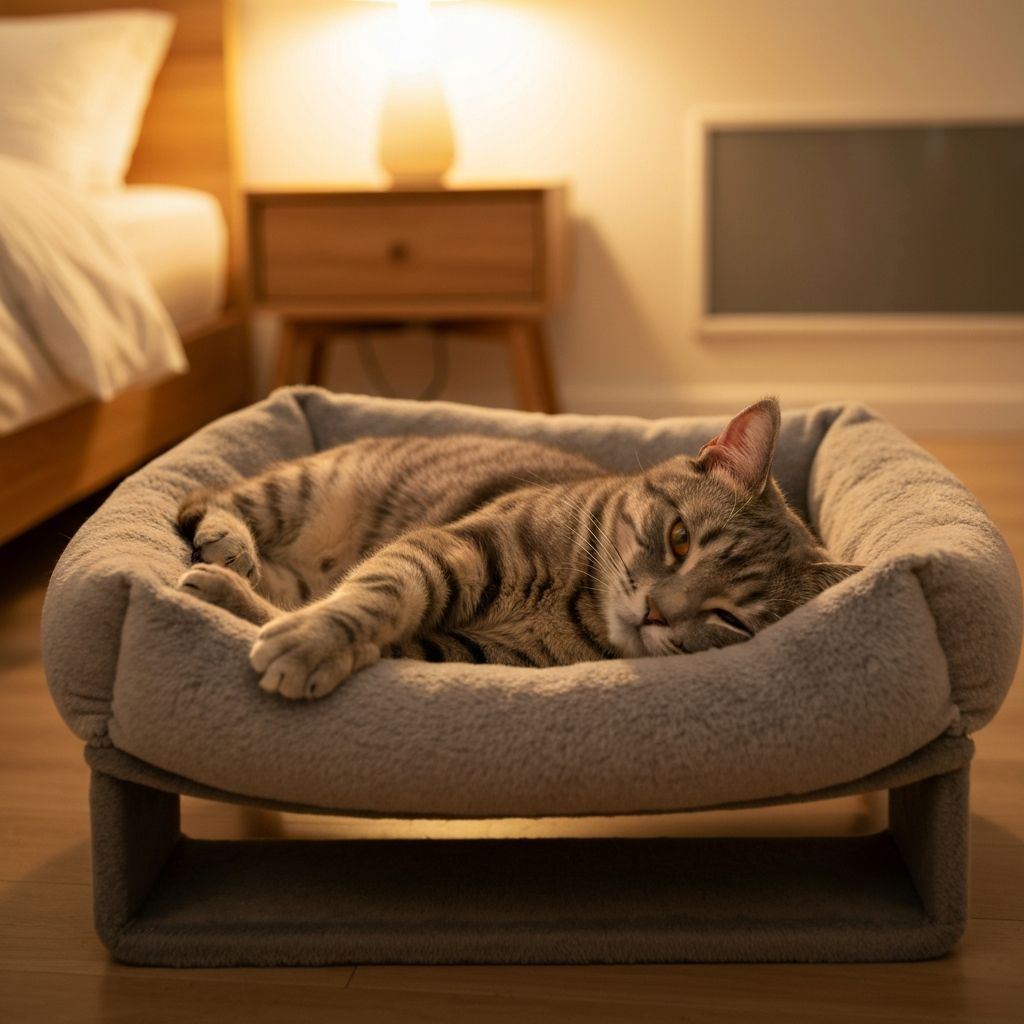
Cats are undisputed champions of sleeping, spending anywhere from 12 to 16 hours a day in deep slumber or light catnaps. For an indoor cat, sleep is not just a way to pass the time; it is a vital biological process that supports their immune system, helps process memories, and regulates their emotional well-being. However, just because a cat can sleep anywhere doesn't mean they don't have strong preferences. Creating a comfortable and secure sleep environment is a cornerstone of holistic feline wellness. Here is how you can build the perfect sleep sanctuary for your indoor companion.
1. The Value of Elevated Sleeping Spots
In the wild, wild felines sleep in high trees or rocky ledges to protect themselves from ground predators and to scan their territory. Your domestic indoor cat retains this exact instinct. If all your cat's beds are placed flat on the floor, they might not feel entirely secure. Try placing a cozy, soft bed on top of a sturdy chest of drawers, a secure windowsill, or invest in an elevated cat hammock that attaches to the wall. Sleeping high up drastically reduces stress in indoor cats.

2. Warmth and Sunshine Zoning
A cat's natural body temperature is higher than ours (around 38-39°C), which means they expend a lot of metabolic energy just staying warm. This is why you often see cats chasing sunbeams across the living room rug. Optimize their comfort by placing soft blankets or doughnut beds in spots that receive direct sunlight during the morning and afternoon. For older cats with arthritis, a self-heating pet mat that reflects their own body heat back to them can provide immense physical comfort and pain relief.

3. Enclosed Hideaways for Ultimate Security
While cats love open, high perches for daytime naps, they often prefer dark, enclosed spaces for their deepest, most vulnerable cycles of sleep. An igloo-style plush bed, a cardboard box lined with a soft fleece blanket, or a covered cat cave can provide the sense of protection your cat craves. Make sure these hideaways are placed in quiet corners away from household foot traffic.

4. Quiet Zones Away from Noise
Cats have incredibly sensitive hearing and can be easily disturbed by loud televisions, music, or household appliances. Designate a quiet zone in your home specifically for your cat's rest. This could be a spare bedroom, a walk-in closet with the door cracked open, or a corner of the living room away from the TV. Adding a white noise machine nearby can help mask sudden sounds that might startle your cat awake.

5. Multiple Sleep Options Throughout the Home
Cats are creatures of habit but also appreciate variety. Instead of providing just one bed, scatter several comfortable sleeping options throughout your home. This allows your cat to choose based on their mood, the time of day, and the ambient temperature. A sunny window perch for mornings, a cozy enclosed bed for deep afternoon naps, and a soft blanket on your bed for nighttime bonding.
6. Clean Bedding and Regular Rotation
Cats are fastidious creatures and prefer clean sleeping surfaces. Wash your cat's bedding regularly (at least once a week) using unscented, pet-safe detergent. Rotating between two or three beds also keeps things fresh and interesting for your cat.
Final Thoughts
Quality sleep is essential for your indoor cat's physical health and emotional well-being. By providing elevated spots, warm sunshine zones, enclosed hideaways, quiet areas, and multiple bed options, you can create the ultimate sleep sanctuary that caters to all of your cat's instinctual needs.
Tip: Observe where your cat naturally chooses to sleep and enhance those spots with comfortable bedding to maximize their comfort.
Written by My Indoor Cat Tips
Dedicated to helping cat parents create happy, enriched lives for their indoor felines.