The Aggressive Host: How to Deal with Indoor Cats that Attack Guests
If your indoor cat transforms from a sweet companion into a hissing, scratching ball of fur when guests arrive, you are not alone. Aggression toward visitors is a common behavioral issue in felines. Learn how to manage this behavior and restore peace.
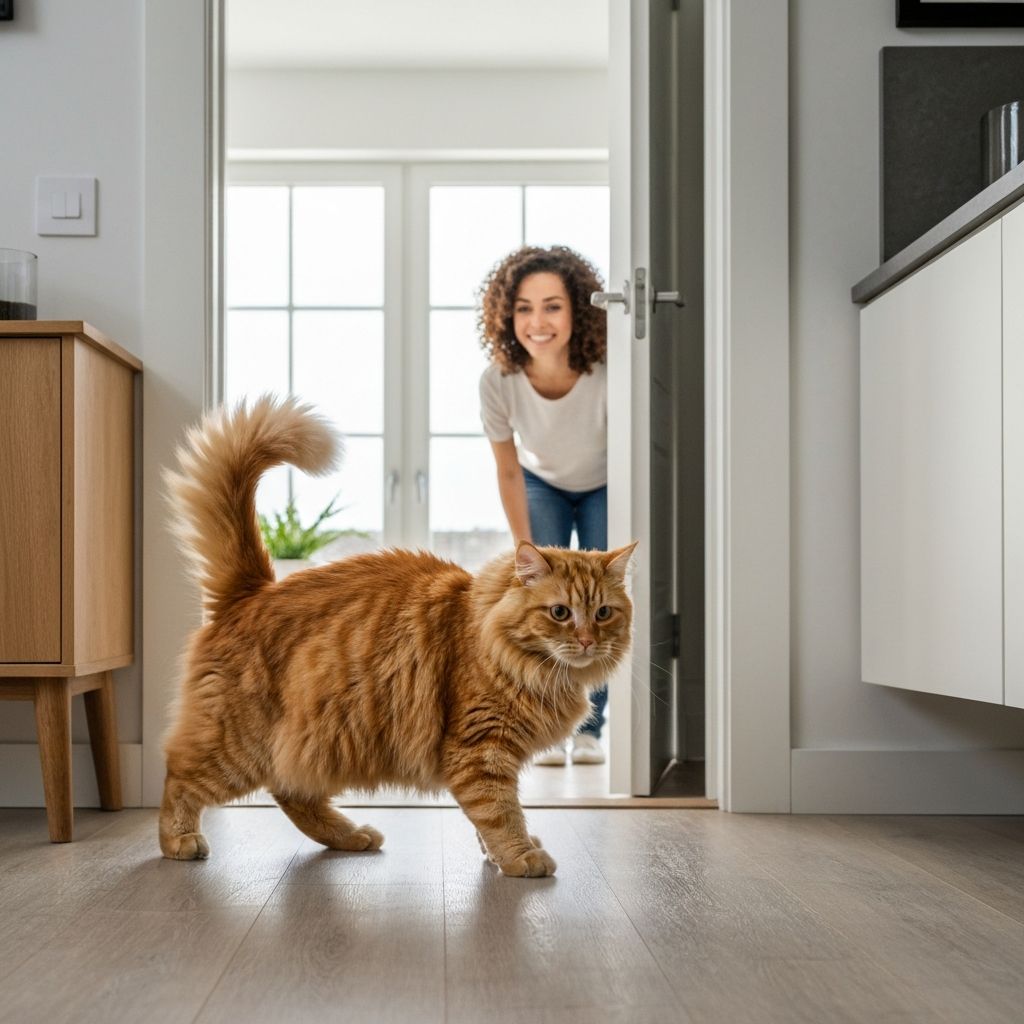
Having friends or family over should be a pleasant experience, but for some cat owners, it feels like navigating a minefield. If your indoor cat transforms from a sweet companion into a hissing, scratching ball of fur the moment a stranger walks through the door, you are not alone. Aggression toward guests is a common behavioral issue in felines. Unlike dogs, cats are highly territorial and sensitive to changes in their environment. New scents, loud voices, and unfamiliar movements can trigger a severe "fight or flight" response. Understanding why your cat attacks visitors is the first step toward restoring peace to your home.
1. Understand the Root Cause: Fear vs. Territory
Most feline aggression toward guests stems from fear, not malice. To an indoor cat, a guest is a giant predator invading their safe territory. Signs of a fearful cat include a puffed-up tail, flattened ears, dilated pupils, and a low growl or hiss. If a guest tries to force an interaction—such as reaching out to pet the cat or cornering them—the cat will feel trapped and resort to an attack to defend themselves.
2. Create a "Safe Zone" Before Guests Arrive
The biggest mistake owners make is forcing their cat to greet visitors. Before your guests knock on the door, move your cat to a quiet, separate room (like a bedroom). Equip this "Safe Zone" with their litter box, water, and a comfortable bed. Close the door and let them stay there for the duration of the visit. Knowing they have a secure retreat drastically lowers their stress levels and keeps everyone safe.

3. Establish Strict Rules for Your Visitors
When you do decide to work on socializing your cat, your guests need training just as much as your pet. Instruct your visitors to completely ignore the cat. They should not look at the cat, make eye contact, talk to them, or try to touch them. Let the cat observe the stranger from a safe distance. In the feline world, being ignored is a sign of respect and non-threat.

4. Use Positive Reinforcement and Treats
Gradually associate guests with positive experiences. Ask your visitor to toss high-value treats toward your cat from a distance (without looking at them). Over time, your cat will begin to associate visitors with good things happening. Never force your cat to approach—let them set the pace. This process can take weeks or even months, but patience is essential.

5. Consider Calming Aids
For severely anxious cats, calming aids can help take the edge off. Feliway diffusers release synthetic pheromones that mimic a mother cat's calming scent. Calming treats containing L-theanine or chamomile can also help. For extreme cases, consult your veterinarian about prescription anti-anxiety medication to use during high-stress events.
6. Never Punish Aggressive Behavior
Punishing a cat for aggression will only increase their fear and make the problem worse. Yelling, spraying water, or physically moving an aggressive cat reinforces that guests are associated with bad experiences. Instead, remove the cat calmly to their safe zone and end the interaction peacefully.
Final Thoughts
Aggression toward guests is almost always rooted in fear and territorial instinct—not a "mean" personality. By providing a safe retreat, training your guests to respect your cat's boundaries, using positive reinforcement, and being patient, you can help your cat feel more secure around visitors. Some cats may never become social butterflies, and that is perfectly okay.
Tip: Start by having guests sit quietly in your home for short periods before attempting any interaction. Let your cat observe from a distance and gradually decrease that distance over multiple visits.
Written by My Indoor Cat Tips
Dedicated to helping cat parents create happy, enriched lives for their indoor felines.